
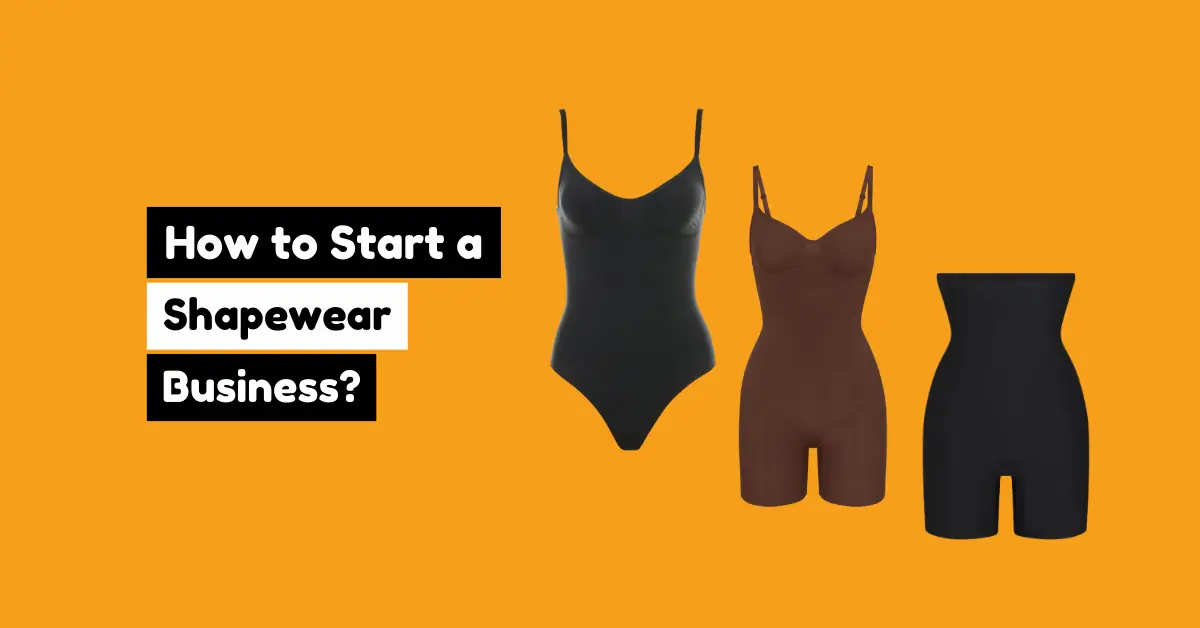
Starting a shapewear business can be both profitable and fulfilling — but only if you approach it with a clear plan. The shapewear market is competitive, sizing is complex, and customers expect real results, not hype.
This comprehensive guide breaks down how to start a shapewear business step by step, addressing the most common beginner pain points while aligning with real market demand.
Whether you are planning a private‑label brand, a faja business, or a niche shapewear line for plus‑size or postpartum customers, this guide will help you move forward with confidence — from idea to launch and beyond.
Is the Shapewear Business Worth Starting?
Before diving in, it is important to understand the opportunity.
- The global shapewear market is growing steadily, driven by body‑positivity movements, athleisure trends, and demand for everyday comfort.
- Shapewear is no longer limited to special occasions — it is now worn daily, including at work and during workouts.
- Profit margins in the undergarments business typically range from 40% to 70%, depending on sourcing, branding, and pricing strategy.
Considering these facts, yes shapewear business is worth starting.
Real-World Insight: Many small brands start with just 3-5 core products (like high‑waist shorts or shaping bodysuits) and scale after validating demand, instead of launching a large inventory upfront.
The next thing that comes to your mind would be, “Is a shapewear business profitable?” Yes, it can be highly profitable when:
- You target the right niche
- Maintain quality
- Price strategically
- Market consistently
With growing global demand, the long-term potential remains strong.
Read more: How to Start a Profitable Gift Wrapping Business?
A Step-By-Step Guide to Starting a Shapewear Business
Starting your shapewear business can be easy and fun if you follow the steps below carefully. Let’s look at the necessary steps you should follow.
Step 1: Understand the Shapewear Market & Choose Your Niche
One of the biggest mistakes beginners make is trying to sell “shapewear for everyone.” Successful brands focus on a clear niche.
Popular Shapewear Niches
- Plus‑size shapewear (high demand, underserved market)
- Postpartum & post‑surgery shapewear
- Faja business (compression garments popular in Latin American markets)
- Everyday comfort shapewear
- Activewear‑inspired shapewear (blending fitness and shaping)
How to Validate Your Niche?
- Analyze reviews on Amazon and TikTok Shop to see what customers complain about
- Check Instagram and TikTok comments on shapewear ads
- Search Google PAAs like “How to start a shapewear brand?” and “Is activewear profitable?”
Example: A founder noticed many women complaining about shapewear rolling down during long workdays. She launched a brand focused entirely on anti‑roll waistbands — and built a loyal audience quickly.
Step 2: Decide Your Business Model
Choosing the right business model early helps you control costs, manage risk, and scale efficiently. Your decision should align with your budget, branding goals, and long‑term vision for the shapewear brand.
You can start a shapewear business using several models:
- Private Label Shapewear: You sell pre‑made shapewear under your own brand name. This model offers faster launch times, moderate startup costs, and strong branding control.
- Wholesale Resale: You purchase shapewear in bulk from established brands and resell it. This requires less product development but offers lower profit margins and limited differentiation.
- Custom Manufacturing (OEM): You design shapewear from scratch with a manufacturer. This provides maximum customization but requires higher minimum orders and more capital.
- Dropshipping Shapewear: Products ship directly from suppliers to customers. While startup risk is low, quality control, shipping times, and margins can be challenging.
For beginners, private labeling offers the best balance between branding control, manageable investment, and faster market entry — making it the most practical option to validate demand before scaling.
Step 3: Finding Reliable Shapewear Suppliers & Manufacturers
This is one of the hardest — and most important — steps.
What to Look for in a Manufacturer?
- Proven experience in shapewear or compression garments
- Consistent sizing across batches
- High‑quality fabrics (nylon, spandex blends)
- Low Minimum Order Quantities (MOQs)
- Ability to provide samples
Where to Find Suppliers?
- Alibaba & Made‑in‑China (verify factories carefully)
- Dedicated shapewear wholesalers
- Trade shows or sourcing agents
Pro Tip: Always order samples from at least 2-3 suppliers and test them for comfort, durability, and wash quality before committing.
Step 4: Branding & Differentiation
Branding is what turns shapewear from a commodity into a trusted solution. In a crowded market, customers don’t just buy compression — they buy confidence, comfort, and credibility. Your goal is to clearly communicate why your shapewear is different and who it is made for.
How to Differentiate Your Brand?
- Solve one clear, specific problem (rolling waistbands, breathability, all‑day comfort, inclusive sizing)
- Focus on one audience segment instead of everyone
- Use real customer bodies, diverse sizes, and honest before‑and‑after visuals
- Create clear sizing guides with real body measurements, not generic charts
- Educate buyers about fabric quality, compression levels, and care instructions
Strong storytelling also matters. Share why you started the brand, what problem you noticed in the market, or how customer feedback shaped your designs. This builds emotional connection and trust — key factors in shapewear purchasing decisions.
Personal Insight: New brands that openly show before‑and‑after results on real customers, explain who the product is not for, and set realistic expectations often convert better and receive fewer returns than brands relying only on polished studio photos.
Step 5: Legal Requirements – Licenses, LLCs & Compliance
Many people are concerned about the legal requirements for starting a shapewear business. One of the commonly aksed question is, “Do you need an LLC to start a clothing business?’ The answer is NO. However, forming an LLC is highly recommended because it:
- Protects personal assets
- Makes supplier agreements easier
- Improves payment processor trust
Do You Need a License to Start Your Own Clothing Brand?
It mainly depends on your location, but typically you’ll need:
- Business registration
- Sales tax permit
- Import/export license (if sourcing internationally)
Always check local regulations before launching.
Step 6: Pricing Your Shapewear for Profit
Pricing is where many new shapewear businesses struggle — or fail. Your prices must cover costs, leave room for marketing, and still feel justified to customers based on quality and results. The goal is not to be the cheapest, but to be worth the price.
What Goes Into Shapewear Pricing?
Before setting a retail price, account for:
- Product manufacturing cost
- Shipping and customs (if importing)
- Packaging and labeling
- Marketing and advertising spend
- Platform fees and transaction costs
Ignoring even one of these can quickly shrink your margins.
Basic Pricing Formula
(Product Cost + Shipping + Packaging + Marketing) × Markup
Most shapewear brands use a 2.5x to 4x markup, depending on positioning.
What Is the Profit Margin in the Undergarments Business?
- Wholesale brands: 30%-50% margins
- Direct‑to‑consumer (online): 50%-70% margins
Premium shapewear brands often price higher by emphasizing durability, comfort, inclusive sizing, and long‑term wear.
Practical Tip: Test pricing with a small launch batch. If customers rarely complain about price but love the fit and quality, you’re likely priced correctly. Avoid racing to the bottom — customers often associate higher prices with better compression, support, and durability.
Step 7: Product Rules & Fit Standards
Product quality and fit can make or break a shapewear brand. Customers expect visible shaping without discomfort, and even small sizing issues can lead to high return rates and negative reviews. Setting clear product rules early helps maintain consistency as your brand grows.
What Is the 3-3-3 Rule for Clothes?
In apparel, this rule often refers to offering:
- 3 core styles (for example: shorts, bodysuit, and high‑waist brief)
- 3 neutral colors (black, nude, brown)
- 3 size ranges (standard, plus, extended)
This approach keeps inventory manageable while you test market demand.
Fit & Quality Standards to Follow
- Use real body measurements, not just S-XL labels
- Test products on multiple body types and heights
- Ensure consistent compression levels across sizes
- Check durability after multiple washes
Fit consistency is critical — poor sizing leads to high returns, loss of trust, and bad reviews.
Step 8: Building Your Online Store
Your online store is where trust is built, and sales happen. For shapewear, customers can’t touch or try the product, so your website must clearly answer questions about fit, comfort, and results before they buy.
Your website should:
- Clearly explain compression levels and intended use
- Include detailed size charts with body measurements
- Show real-life photos and short videos of the product in use
- Highlight fabric benefits, stretch, and breathability
- Offer clear shipping, return, and exchange policies
- Use a clean layout, easy navigation, and fast load times to improve user experience and conversion rates
- Include social proof, reviews, and testimonials to boost buyer confidence
Mobile optimization is critical, as most shapewear shoppers browse and purchase on their phones.
Shopify is the most beginner-friendly option for shapewear brands because it is easy to set up, scalable, and supports apps for reviews, size guides, and conversions.
Step 9: Marketing & Getting Your First Customers
Marketing is essential to get your first sales and build brand awareness. For shapewear, the focus should be on demonstrating real results, solving specific problems, and connecting with the right audience.
Beginner-Friendly Marketing Strategies
- Social Media Presence: Post short videos and reels on Instagram, TikTok, and Facebook showing product benefits, before-and-after results, and customer testimonials.
- Influencer Collaborations: Partner with micro-influencers in fashion, fitness, and lifestyle niches to showcase your shapewear. Smaller influencers often have higher engagement and lower costs.
- User-Generated Content (UGC): Encourage early customers to share photos or videos using your shapewear and feature them on your website and social channels.
- Email Marketing: Collect emails through discounts, free guides, or early access to products. Send campaigns highlighting product benefits, new launches, and testimonials.
Funnels to Acquire Your First Customers
- Awareness: Run targeted social media ads or engage in organic social posts to attract your audience.
- Consideration: Use retargeting ads, free guides on choosing shapewear, or sizing guides to educate and convert.
- Conversion: Offer limited-time discounts, bundle deals, or free shipping to motivate purchases.
Growth Tactics
- Referral Programs: Reward existing customers for referring friends, boosting word-of-mouth marketing.
- Seasonal Promotions: Use events, holidays, or fitness season trends to create urgency and increase sales.
- SEO & Content Marketing: Publish blog posts, FAQs, and style guides to attract organic search traffic.
- Track Performance: Use analytics to identify high-performing ads, social posts, and email campaigns, then double down on what works.
Real-World Insight: Many shapewear brands generate their first 100-200 sales purely through TikTok videos demonstrating real fit and comfort — no professional studio or expensive campaigns required. Consistency, authentic messaging, and customer trust are the keys to initial growth.
Step 10: Scaling Your Shapewear Business
Once your shapewear brand has made its first sales and gained some traction, scaling is the next step. Scaling means growing your revenue, expanding your audience, and increasing brand recognition without sacrificing quality or customer trust.
Strategies to Scale Your Business
- Expand Product Lines: Introduce new styles, colors, or niche shapewear (e.g., postpartum, activewear-influenced) to attract a broader audience.
- Increase Marketing Channels: Add new platforms like Pinterest, YouTube, or email automation sequences to reach more potential customers.
- Optimize Paid Ads: Scale successful social media and search ads while monitoring ROI to ensure ad spend drives profitable growth.
- Strengthen Your Brand: Invest in packaging, storytelling, and customer experience to enhance loyalty and reduce returns.
- Collaborate & Partner: Work with influencers, fitness trainers, or complementary brands for co-promotions or limited-edition collections.
- International Expansion: Consider shipping to new regions or countries, ensuring local sizing, pricing, and shipping policies are adapted.
- Automate Operations: Use software for inventory management, order fulfillment, and customer service to handle growth efficiently.
Pro Tip: Focus on one or two growth levers at a time. Scaling too many areas simultaneously can strain your resources and hurt customer satisfaction.
Scaling your shapewear business is about balancing expansion with quality, maintaining your unique brand promise, and leveraging what’s already working to reach new customers and markets.
Also read: How to Start a Soft Play Business?
Common Mistakes to Avoid
Many shapewear businesses struggle or fail due to avoidable mistakes, especially in the early stages. Being aware of these pitfalls can save you time, money, and damage to your brand reputation.
- Compromising on Product Quality: Using low-quality fabrics, poor stitching, or uncomfortable designs to cut costs often leads to high return rates and negative reviews.
- Inaccurate Sizing and Unclear Size Charts: Shapewear is highly size-sensitive; vague or incorrect sizing frustrates customers and increases exchanges and refunds.
- Weak or Generic Branding: Shapewear is an emotional, confidence-driven purchase. Poor branding and unclear messaging make it difficult to stand out in a competitive market.
- Overpricing or Underpricing Products: Setting prices without understanding your costs, target audience, and competitors can hurt profitability or damage brand perception.
- Ignoring Marketing and Visibility: Relying only on organic reach without a clear marketing strategy limits growth and slows sales momentum.
- Neglecting Customer Feedback and Support: Slow responses, rigid return policies, or ignoring reviews can prevent repeat purchases and long-term loyalty.
- Poor Inventory and Fulfilment Planning: Stockouts, delayed shipping, or inconsistent packaging negatively impact the customer experience.
Avoiding these common mistakes helps build a trustworthy, customer-focused shapewear brand with stronger long-term growth potential.
Read more: Common Mistakes to Avoid While Doing a Drone Business
Final Thoughts
Learning how to start a shapewear business isn’t about copying big brands — it is about solving real problems for a specific audience. Start small, test smart, listen to customer feedback, and build trust before scaling.
With the right niche, suppliers, pricing, and marketing strategy, a shapewear business can become a sustainable and profitable brand — not just a trend.
FAQs About Starting a Shapewear Business
Q: How to start a shapewear brand?
A: Start by choosing a specific niche, sourcing quality shapewear from reliable manufacturers, validating samples, creating a simple brand, and launching online with targeted social media marketing.
Q: How big is the shapewear market?
A: The global shapewear market is worth several billion dollars and continues to grow steadily, driven by everyday wear demand, body-positivity trends, and athleisure popularity.
Q: How to start a faja business?
A: Focus on high-compression garments, medical-grade fabrics, accurate sizing, and trusted manufacturers, as quality and fit are critical in the faja market.
Q: Is activewear profitable?
A: Yes, activewear is highly profitable — especially when combined with shapewear features like compression, flexibility, and comfort for daily use.


