
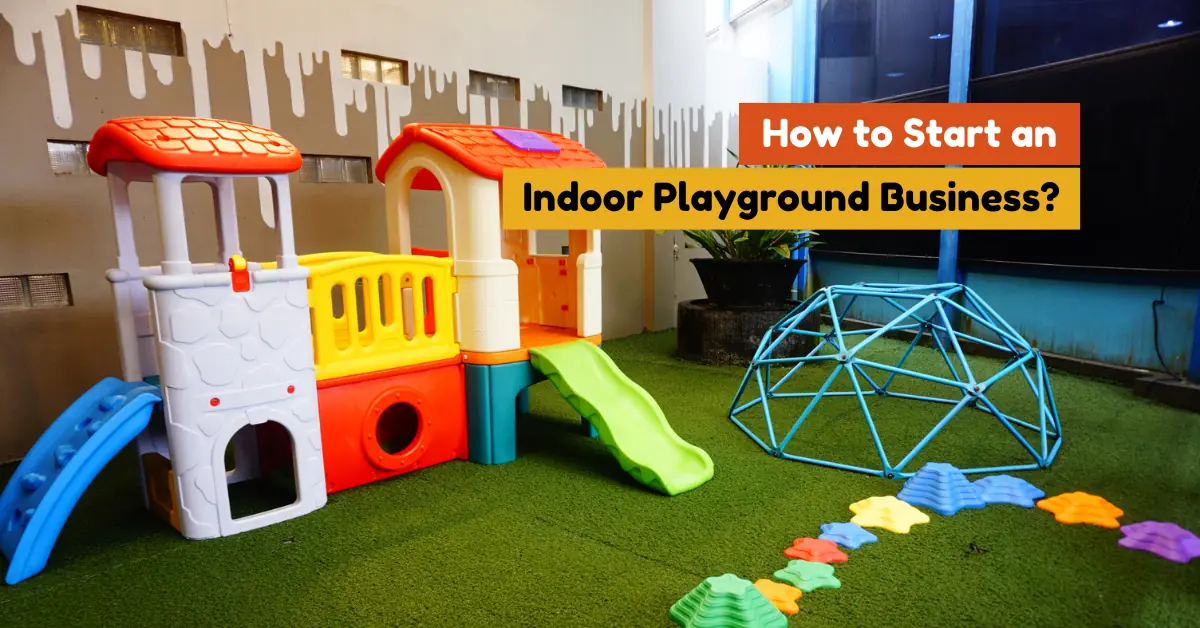
Starting an indoor playground can be both financially rewarding and personally fulfilling — but only if it is planned correctly. Many first‑time founders underestimate startup costs, overestimate demand, or miss critical safety and legal requirements. This indoor playground business plan guide is designed to remove that confusion and give you a clear, actionable roadmap from idea to launch.
This article is written for beginners, parents‑turned‑entrepreneurs, and small business owners who want a realistic, experience‑based business plan for an indoor playground — not just theory. It incorporates real‑world cost ranges, compliance considerations, revenue models, and proven marketing strategies.
What Is an Indoor Playground?
An indoor playground (also called an indoor play area or soft play center) is a climate‑controlled recreational facility designed primarily for children aged 1-12. These spaces typically include soft play structures, climbing frames, slides, ball pits, obstacle courses, and sometimes trampolines or toddler zones.
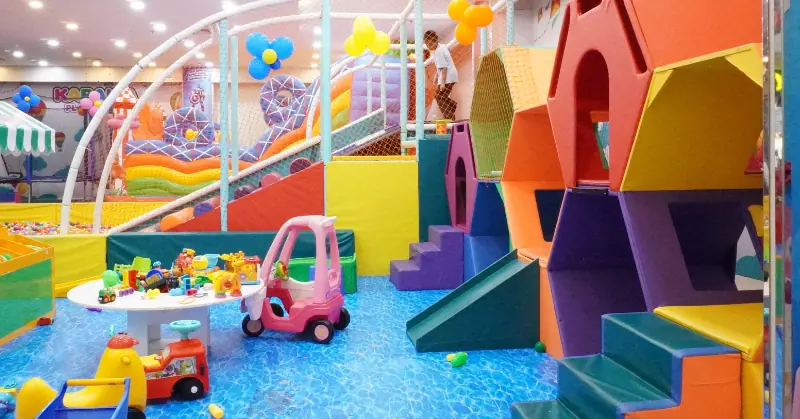
Unlike outdoor playgrounds, indoor facilities operate year‑round and generate predictable revenue through entry fees, memberships, birthday parties, and add-on services like cafes or classes.
Are Indoor Playgrounds a Good Business?
Yes, indoor playgrounds can be a very good business when properly planned and executed. Unlike seasonal outdoor parks, indoor playgrounds operate year-round, offering a reliable revenue stream regardless of weather. This makes them particularly appealing to parents who want a safe, controlled environment for their children.
Why This Model Works?
- Consistent Demand: Families are always looking for engaging, safe activities for children, especially in urban and suburban areas.
- Multiple Revenue Streams: Income isn’t limited to entry fees. You can generate significant revenue from birthday parties, memberships, classes, workshops, and even on-site cafes.
- Community Engagement: Partnering with schools, daycares, and local parent groups can bring steady weekday traffic, while weekend parties bring high-margin revenue.
- Scalability: Once the model is proven locally, it can be expanded to additional locations, or upgraded with premium services, themed zones, or seasonal events.
Real-World Insight
For example, a small indoor playground in a mid-sized U.S. suburb reported that 50-60% of monthly revenue came from birthday parties, showing how well-managed events can stabilize income. Many playgrounds break even within 12-18 months when they focus on memberships and community partnerships early.
Key Considerations for Success
While profitable, indoor playgrounds are not without challenges:
- High Initial Investment: Costs for space, play equipment, flooring, insurance, and staffing can be substantial.
- Location Matters: Success depends heavily on accessibility, visibility, parking, and proximity to families.
- Safety and Compliance: Adhering to safety standards, liability insurance requirements, and local regulations is non-negotiable.
When these factors are carefully addressed, an indoor playground can become a stable, long-term business with both financial rewards and the satisfaction of providing a safe, fun environment for children.
Read more: Is Business Services a Good Career Path?
How to Start an Indoor Playground Business? A Step-by-Step Guide
Starting an indoor playground business involves more than just setting up play structures — it requires careful planning, financial foresight, safety compliance, and smart marketing. Here is a step-by-step approach to help beginners turn their idea into a profitable, well-managed indoor playground.
1. Conduct Market Research & Validate Your Idea
Before investing any money, ensure there is genuine demand in your area. Consider:
- Family Demographics: Are there enough families with children under 10?
- Competition: How many other indoor playgrounds, play cafes, or recreation centers exist nearby?
- Gap Analysis: Is there a niche you can fill, such as toddler-focused areas, educational play zones, or party-centric services?
Pro Tip: Visit existing playgrounds and talk to parents to understand what they value most. Real-world insights will guide your concept and differentiate your playground from competitors.
2. Choose the Right Location & Space
Location is one of the most critical factors for success. Ideal criteria include:
- High foot traffic near schools, malls, or family-friendly neighborhoods
- Easy parking and ground-floor or elevator access
- Sufficient space for play areas, party rooms, and amenities
Space Size Guide
The table below shows a decent size for small, medium, and large indoor play areas.
| Size | Square Feet | Best For |
| Small | 2,000-3,000 | Toddlers and local traffic |
| Medium | 4,000-7,000 | Birthday parties + daily admissions |
| Large | 8,000-15,000 | Destination playground |
3. Develop Your Indoor Playground Business Plan
A strong business plan for an indoor playground serves as your roadmap. Include:
- Executive summary and objectives
- Market analysis and target audience
- Facility layout and equipment selection
- Safety and legal compliance
- Revenue streams (such as admissions, memberships, parties, cafe)
- Marketing and operations strategy
- Financial projections and funding requirements
Using a business plan template for indoor playgrounds can help ensure you don’t miss critical components. Consider making a PDF version to share with investors or lenders.
4. Secure Permits, Licenses, and Insurance
Regulatory compliance is non-negotiable. Here is what you should do:
- Obtain a business license and zoning approval from your city
- Conduct fire, safety, and building inspections
- Purchase liability, product, and property insurance
- Implement clear safety standards (ASTM F1918, padded flooring, signage, and child-proofing measures)
5. Plan Your Revenue Streams
Diversify your income to ensure consistent cash flow, such as:
- General admission and memberships for daily visitors
- Birthday parties and private events (high-margin revenue)
- Classes, workshops, and community programs
- On-site cafe or snack bar
6. Build Your Brand & Marketing Strategy
Marketing is critical to attract families and stand out from competitors.
- Optimize local SEO and Google Business Profile
- Use social media (Instagram, Facebook, Reels) to showcase your playground
- Partner with schools, daycares, and parent groups
- Host community events to drive weekday traffic
7. Hire & Train Your Staff
- Front desk staff for customer service
- Floor monitors for safety supervision
- Party hosts for event management and upselling
A well-trained, friendly staff ensures a safe and enjoyable experience, encouraging repeat visits and positive word-of-mouth.
8. Monitor Performance & Adjust
Track your financials, visitor trends, and customer feedback:
- Compare actual costs versus budget using tools like a variance calculator
- Adjust pricing, promotions, and staffing as needed
- Continuously improve your facility and services to meet customer expectations
Also read: How to Start a Poke Bowl Business?
Startup Costs: How Much Does It Cost to Open an Indoor Playground?
One of the most common questions is: “How much does it cost to set up an indoor play area?”
Typical Startup Cost Breakdown
| Expense Category | Estimated Cost Range |
| Lease & Renovation | $30,000 – $150,000 |
| Play Equipment | $25,000 – $200,000 |
| Safety Flooring | $8,000 – $40,000 |
| Insurance & Permits | $3,000 – $12,000 |
| Furniture & POS | $5,000 – $20,000 |
| Marketing & Branding | $3,000 – $10,000 |
Total Estimated Cost: $75,000 – $400,000+
Beginner mistake: Overspending on equipment before validating pricing and foot traffic.
If you plan to finance your playground space, our Business Property Loan Calculator can help you estimate monthly payments and find the right loan structure for your startup.
Safety, Compliance & Legal Requirements
One of the commonly asked questions is, “Do you need city approval to open an indoor playground?” Yes, most cities require:
- Business license
- Fire department inspection
- Health & safety approval
- Zoning clearance
Safety Standards to Follow
- ASTM F1918 (soft contained play equipment)
- Fire‑retardant materials
- Padded flooring in fall zones
- Clearly posted rules & waivers
Insurance You Need
People usually ask, “What kind of insurance do you need for an indoor playground?”
- General liability insurance ($1M-$2M coverage typical)
- Product liability
- Workers’ compensation
- Property insurance
Never skip insurance, as it protects both your customers and your business credibility.
Revenue Streams: How Indoor Playgrounds Make Money?
Successful indoor playgrounds rarely rely on a single source of income. The most profitable businesses combine multiple revenue streams to create steady cash flow on weekdays and high-margin earnings on weekends and holidays.
Understanding how these streams work — and how to balance them — is key to building a sustainable indoor playground business.
1. General Admission Fees
General admission is the foundation of most indoor playgrounds. Parents typically pay per child for a set time or unlimited play session.
- Average Pricing: $10-$20 per child
- Best For: Walk-in traffic, school holidays, and rainy days
- Tip: Tiered pricing (toddlers vs. older kids) can increase fairness and revenue
While admission fees alone rarely cover all operating costs, they help maintain daily foot traffic and brand visibility.
2. Memberships & Passes
It is a source of recurring revenue. Memberships provide predictable, recurring income and improve customer loyalty.
- Monthly or annual passes for frequent visitors
- Discounted rates for siblings or off-peak hours
- Ideal for parents who visit multiple times per month
Real-world insight: Many profitable indoor playgrounds generate 20-30% of monthly revenue from memberships alone, which helps stabilize cash flow during slower seasons.
3. Birthday Parties & Private Events
It is a high-margin revenue source. Birthday parties are often the most profitable revenue stream.
- Party packages typically include playtime, a private room, host assistance, and food options
- Average party pricing: $250-$600+ per event
- Profit margins are high because fixed costs are already covered
In many successful indoor playgrounds, birthday parties account for 40-60% of total monthly revenue, especially on weekends.
4. Cafe, Snacks & Merchandise
Parents often stay for extended periods, creating opportunities for convenience-based sales.
- Coffee, snacks, and kids’ meals
- Socks, branded merchandise, or small toys
- Low-effort upsells with strong profit margins
Even a small cafe can significantly boost average customer spend per visit.
5. Classes, Workshops & Special Programs
Structured activities help maximize space usage during off-peak hours.
- Toddler play sessions
- Parent-child classes
- Seasonal camps or themed events
These programs attract weekday traffic and differentiate your playground from competitors.
6. School, Daycare & Group Bookings
Partnering with schools, daycares, and community groups can generate consistent bulk bookings.
- Discounted group rates
- Weekday morning sessions
- Long-term partnerships with repeat visits
This model is especially effective for filling time slots that would otherwise remain underutilized.
7. Sponsorships & Local Partnerships
Some indoor playgrounds earn additional income by collaborating with local businesses.
- Sponsored play zones
- Cross-promotions with family brands
- Event sponsorships
While not a primary income source, these partnerships can offset marketing costs and increase brand visibility.
Read more: How to Make Money Selling Tumblers?
Financial Projections (Simple Example)
The table below shows the breakdown of expenses for different factors, including admissions, parties, memberships, add-ons, total revenue, operating costs, and estimated profit.
| Metric | Monthly Estimate |
| Admissions | $18,000 |
| Parties | $12,000 |
| Memberships | $6,000 |
| Cafe & Add‑ons | $4,000 |
| Total Revenue | $40,000 |
| Operating Costs | $25,000 |
| Estimated Profit | $15,000 |
Actual results vary by location, pricing, and execution. Before finalizing your playground investment, use our Business Valuation Calculator to estimate the potential value of your indoor playground and ensure your financial projections are realistic.
How to Market an Indoor Playground? Proven Strategies
You can market your business both online and offline to get effective results. Let’s explore both one by one.
Online Marketing
- Create and optimize your Google Business Profile — it is essential
- Optimize local SEO, as local search is one of the biggest traffic drivers. Encourage parents to leave reviews.
- Leverage social media platforms (such as Instagram and Facebook) where parents are. Post photos and videos regularly for viewers’ attention.
- Create a website to let people know about your business.
Offline & Community Marketing
- Make your existing customers your marketing agents
- School partnerships
- Daycare discounts
- Local events & fundraisers
Real-World Example
A new indoor playground doubled weekday traffic by partnering with three nearby preschools for discounted morning sessions.
You may also want to read: Is Selling at a Farmer’s Market Worth It?
Operations, Staffing & Daily Management
- Front desk staff (customer service matters)
- Floor monitors (safety supervision)
- Party hosts (upsell opportunities)
Cleanliness, friendliness, and safety consistency build trust and repeat visits.
Common Beginner Mistakes to Avoid
Here is what you should not do:
- Choosing space based on rent, not demand
- Ignoring safety documentation
- Underpricing parties
- No clear marketing plan
- No financial buffer (minimum 6 months recommended)
To keep your playground profitable, track the difference between your projected and actual costs using our Variance Calculator and make data-driven adjustments to your budget.
Final Thoughts: Turning Your Idea Into a Real Business
An indoor playground business plan is more than a document — it is a decision‑making tool. When built with realistic costs, safety compliance, diversified revenue streams, and community‑focused marketing, indoor playgrounds can become stable, long‑term businesses.
If you approach this venture with patience, research, and a commitment to safety and trust, you will already be ahead of most beginners.
FAQs
Q: What is an indoor playground called?
A: Common names include indoor play area, soft play center, or family entertainment center.
Q: How much does it cost to build a playground?
A: Indoor playgrounds typically cost between $75,000 and $400,000 depending on size and features.
Q: Are indoor dog parks profitable?
A: They can be, but they operate under very different regulations and liability risks than children’s indoor playgrounds.
Q: Are playground businesses recession‑proof?
A: They are relatively resilient because parents prioritize children’s activities, especially low‑cost local entertainment.


