
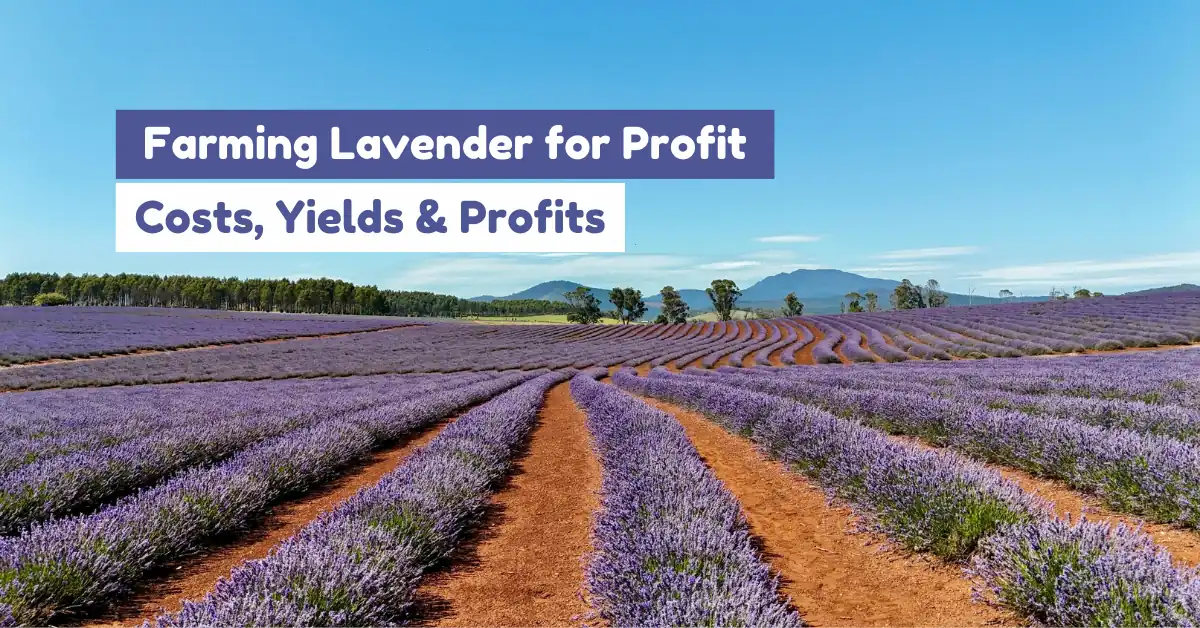
Lavender is more than just a beautiful garden plant — it is a high-value commercial crop with multiple profit opportunities, from dried flowers and essential oils to value-added products and agritourism.
Although it originated in the Mediterranean, lavender currently grows all over the globe, from Europe and North America to areas of Africa and Asia. Lavender has long been utilized as a savory herb, as well as in aesthetics and healthcare. The good news is that commercial lavender growing can provide an excellent income.
This guide will take you step-by-step through everything you need to know about farming lavender for profit, including soil and climate requirements, startup costs, planting and harvest techniques, and the most profitable ways to sell lavender.
Table of Contents
- Is Lavender Farming Profitable?
- Is Lavender Farming Right for You?
- Understanding Lavender Farm Profit Per Acre
- Land, Soil & Climate Requirements
- Choosing the Right Lavender Varieties
- Startup Costs & Tools You’ll Need
- Planting, Caring & Harvesting Lavender
- How to Dry, Process, and Store Lavender?
- 5 Profitable Ways to Sell Lavender
- Common Challenges in Lavender Farming
Is Lavender Farming Profitable?
Yes, lavender farming is profitable because it combines low ongoing production costs, multiple high-value income streams, and consistent global demand across industries.
Unlike many traditional crops that rely on a single harvest and wholesale pricing, lavender allows farmers to earn from flowers, oil, processed goods, and on-farm experiences — often from the same plants.

One of the biggest reasons lavender farming for profit works well is that lavender is a perennial crop. Once established, plants can produce for 10-15 years or more, which significantly reduces replanting costs.
After the first two years, maintenance expenses drop sharply, while yields and quality improve, increasing long-term profitability.
High Market Demand Across Multiple Industries
Lavender is used in:
- Aromatherapy and wellness products
- Cosmetics, skincare, and perfumes
- Soaps, candles, and home decor
- Culinary items (teas, baked goods, seasonings)
- Natural remedies and relaxation products
Because these industries are not seasonal, lavender farming profits remain more stable compared to crops tied to a single market or harvest window.
How Profitable Is Lavender Farming?
People often search “How profitable is lavender farming?” and the answer varies widely. On average:
Gross Revenue Per Acre: $8,000-$40,000
- Net Profit Margin: 30%-60% (after establishment)
- Break-Even Period: 2-3 years
Farms that sell only raw lavender flowers earn less, while those producing essential oil, soaps, candles, or offering farm experiences earn significantly more.
Read more: 8 Profitable Kidswear Business Ideas
Is Lavender Farming Right for You?
Lavender farming is ideal if you:
- Prefer specialty crops over commodity farming
- Enjoy direct-to-consumer sales
- Can invest in branding and marketing
- Want long-term, sustainable income
If managed professionally, lavender farming for profit offers excellent returns with lifestyle-friendly farming.
Understanding Lavender Farm Profit Per Acre
The amount you can make from lavender depends on plant density, product mix, and pricing channels.
Estimated Revenue Examples
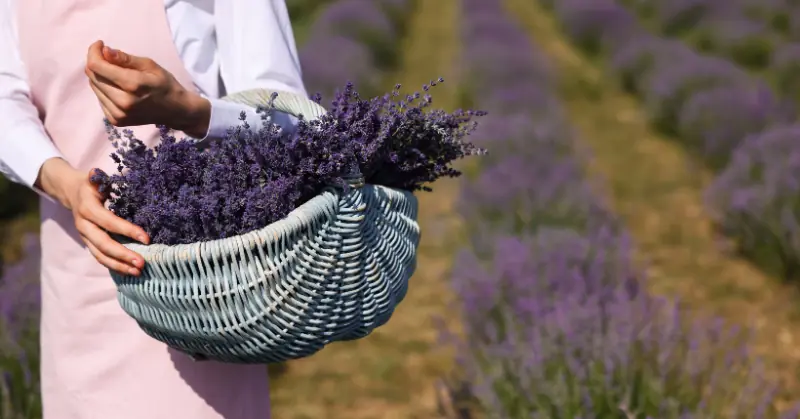
- Fresh or Dried Lavender Bundles: An acre can produce 3,000-4,000+ bundles, often selling retail for $8-$15 each.
- Essential Oil: A mature acre might yield 1-2 gallons of essential oil. Wholesale value is around $3,000/gallon, but retail bottled sales can gross significantly more.
- Value-Added Products: Sachets, soaps, lotions, and crafts often have much higher margins and contribute strongly to overall profits.
Profit Potential
- Small farms (1-2 acres) can earn net profits of $15,000 to $50,000+ per acre annually when diversified through agritourism and value-added sales.
- Well-managed, niche lavender farms with agritourism can exceed $100,000+ per year overall business profit.
Bottom Line: Yes — lavender farms can be profitable, but success depends on smart planning, diverse offerings, and solid marketing.
Lavender Farming Profit Per Acre in India
Searches for lavender farming profit per acre in India have surged due to government-backed initiatives in Jammu & Kashmir and Himachal Pradesh.
- Initial Investment: ₹60,000-₹1,00,000 per acre
- Annual Revenue (after year 2): ₹2-₹5 lac per acre
- Net Profit Margin: 50%+
India’s lower labor costs and strong demand for essential oils make lavender an attractive alternative crop.
Also read: Most Profitable Businesses to Start with 20K
Land, Soil & Climate Requirements
One of the biggest reasons beginners fail at lavender farming is choosing the wrong land or soil conditions. The good news is that lavender is not a demanding crop, but it is very particular about drainage, sunlight, and humidity. Understanding these basics early can save you from costly mistakes and crop loss.
Land Requirements – Location Matters More Than Size
Lavender does not need large fertile farmland, but it must be planted on the right type of land.
- Full Sun Is Essential: Lavender requires at least 8 hours of direct sunlight daily. Shaded or partially shaded areas result in weak plants, fewer flowers, and lower oil quality.
- Slight Slopes Are Ideal: Land with a gentle slope improves natural drainage and reduces waterlogging, especially during heavy rain.
- Air Circulation Is Important: Open areas with good airflow help prevent fungal diseases, which are common in humid climates.
Real-World Insight: Many profitable lavender farms intentionally choose rocky or marginal land that isn’t suitable for vegetables or grains — but drains extremely well. This keeps land costs lower while improving plant health.
Soil Requirements – Drainage Over Fertility
Lavender thrives in soil that many other crops would struggle in.
- Best Soil Type: Sandy or sandy-loam soil
- Soil pH: Slightly alkaline, ideally 6.5-7.5
- Drainage is Non-Negotiable: Standing water around roots can kill lavender plants within weeks.
Lavender does not need rich soil. In fact, overly fertile soil leads to:
- Excess leaf growth
- Fewer flowers
- Lower essential oil concentration
If your soil is heavy clay, you can still grow lavender by:
- Creating raised beds
- Mixing sand or gravel into planting rows
- Improving drainage before planting
Common Beginner Mistake: Adding too much compost or fertilizer. Lavender prefers “lean” soil — less is often more.
Climate Requirements – Understanding What Lavender Loves and Hates
Lavender originates from the Mediterranean region, so it prefers dry, sunny, and moderately warm climates.
Ideal Climate Conditions
- Temperature: Thrives in mild winters and warm summers
- Rainfall: Low to moderate; dry summers are ideal
- Humidity: Low humidity is best
Cold Tolerance
- English lavender varieties can survive cold winters if the soil drainage is excellent.
- In colder regions, snow cover can actually protect plants from freeze damage.
Hot & Humid Areas
High humidity is one of the biggest challenges in lavender farming for profit.
- Poor airflow + moisture = fungal diseases
- Proper spacing, pruning, and variety selection are critical in these regions
Personal Experience from Growers: Farmers in humid areas often succeed by growing disease-resistant varieties, planting on raised beds, and avoiding overhead irrigation.
You may also want to read: How to Launch a Successful Drain Cleaning Business?
Choosing the Right Lavender Varieties
Picking the right variety ensures both plant health and market fit.
- English Lavender (Lavandula Angustifolia): Excellent for essential oil, culinary use, and dried products — good all-purpose choice.
- Lavandin (Lavandula x Intermedia): Higher flower and oil yield — ideal for soaps and value-added products.
- Spanish/Hybrid Varieties: Often used for ornamental and agritourism appeal.
Match your variety to your climate and income goals (oil, ornamentals, dried flowers, etc.).
Startup Costs & Tools You’ll Need
One of the most common concerns for beginners entering lavender farming for profit is understanding the real startup costs.
While lavender is not a “cheap” crop to establish, it is far more affordable than many perennial farming businesses — and the long lifespan of the plants helps spread costs over many years.
Typical Startup Costs (Per Acre Overview)
Understanding costs helps answer whether a lavender farm is profitable for beginners.
- Planting Material: $3,000-$6,000
- Land Preparation: $1,000-$2,000
- Irrigation: $1,000-$2,500
- Equipment: $2,000-$5,000
Your initial investment will depend on land condition, scale, and whether you plan to sell raw flowers or value-added products.
- Land Preparation: Soil testing, drainage improvement, raised beds (if needed), and basic tilling. Poor drainage may increase upfront costs but it prevents long-term losses.
- Lavender Plants or Plugs: One of the biggest initial expenses. High-quality, disease-free plants are worth the investment and directly affect future yields.
- Irrigation System: Drip irrigation is strongly recommended, especially during the first year. It conserves water and protects plants from moisture-related diseases.
- Mulch or Weed Control Fabric: Helps reduce weeds, conserve moisture, and lower labor costs.
- Basic Tools: Hand pruners, harvesting sickles, gloves, wheelbarrows, and storage bins.
On average, lavender farming startup costs range from $10,000 to $50,000 per acre, depending on how much infrastructure is already in place and how intensively you plan to produce.
Optional But Profit-Boosting Tools
These aren’t required on day one, but they can significantly increase lavender farming profits over time:
- Drying racks or hanging systems for dried flower production
- Small essential oil distillation unit for farms targeting higher margins
- Packaging tools for bundles, sachets, or retail-ready products
Many successful growers start with basic tools only, then reinvest profits into processing equipment as demand grows.
Smart Cost-Saving Tips
- Start small and scale gradually instead of planting a full acre at once.
- Focus on dried lavender or bundles first before investing in distillation equipment.
- Use raised beds only where drainage is poor, not across the entire field unnecessarily.
If you plan to expand or invest in farmland or irrigation systems, a business property loan calculator can help determine affordable financing options.
Planting, Caring, and Harvesting Lavender
Proper planting and basic care during the early stages play a major role in determining long-term success in farming lavender for profit.
While lavender is low-maintenance once established, attention to spacing, watering, and harvest timing directly affects flower quality and overall yield.
Planting Lavender the Right Way
Lavender should be planted when the risk of extreme temperatures has passed.
- Best Planting Time: Spring or early fall, depending on your climate.
- Spacing: Keep plants 24-36 inches apart to ensure airflow, reduce disease risk, and allow mature growth.
- Planting Depth: Set plants at the same depth they were in their nursery pots — burying the crown too deep can cause rot.
- Row Spacing: Wider rows make harvesting easier and improve air circulation.
Grower Insight: Many experienced farmers slightly mound soil around each plant to improve drainage, especially in areas with occasional heavy rainfall.
Caring for Lavender Plants
Lavender does best with minimal intervention, but early care is crucial.
- Watering:
- First year: Water regularly until roots are established.
- After establishment: Water sparingly — lavender prefers dry conditions.
- Fertilization: Avoid heavy feeding. Too much fertilizer leads to leafy growth and fewer flowers.
- Weed Control: Keep the area around plants weed-free, especially during the first year, to reduce competition.
- Pruning: Light pruning after flowering helps maintain shape and encourages healthy regrowth.
Harvesting for Maximum Quality and Profit
Harvest timing directly impacts fragrance, oil content, and product value.
- Best Harvest Stage: When about 50% of the flower buds are open.
- Time of Day: Harvest in the morning after dew has dried but before midday heat.
- Cutting Technique: Cut stems just above the woody growth to avoid damaging the plant.
- Harvest Season: Usually late spring to mid-summer, depending on location and variety.
Real-World Example: Growers who harvest too late often notice weaker fragrance and shorter shelf life in dried products — early timing preserves quality and boosts lavender farming profits.
Read more: What Should You Assume When Starting a Business?
How to Dry, Process, and Store Lavender?
Proper drying, processing, and storage are critical steps in farming lavender for profit. Even a high-quality harvest can lose value if flowers are dried incorrectly or stored poorly.
Taking a little extra care at this stage helps preserve color, fragrance, and oil content, which directly affects selling price.
Drying Lavender Correctly
Drying should begin as soon as possible after harvesting.
- Method: Tie small bundles and hang them upside down.
- Environment: Choose a cool, dark, dry, and well-ventilated area.
- Airflow: Good air circulation prevents mold and helps flowers dry evenly.
- Drying Time: Typically 1-2 weeks, depending on humidity levels.
Avoid direct sunlight during drying, as it fades color and reduces aroma — both of which lower product quality.
Processing After Drying
Once fully dry, lavender can be prepared for different markets:
- Dried Bundles: Keep stems intact and trim evenly for a clean presentation.
- Loose Buds: Gently strip buds from stems for culinary use, sachets, or crafts.
- Essential Oil: If distilling, process flowers as soon as possible after harvest to retain maximum oil quality.
Practical Tip: Many growers process a small batch first to test fragrance and bud quality before preparing large quantities.
Storage Best Practices
Proper storage extends shelf life and maintains product value.
- Store dried lavender in airtight containers.
- Keep products in a cool, dark place away from heat and moisture.
- Label containers with harvest dates to manage inventory and freshness.
When stored correctly, dried lavender can retain quality for 12 months or longer, giving farmers flexibility in pricing and sales timing.
5 Profitable Ways to Sell Lavender
Growing lavender is only half the equation — profit comes from how you sell it. The most successful lavender farms focus on diversifying income streams rather than relying on a single product or market. This approach reduces risk and significantly increases overall lavender farming profits.
1. Direct-to-Consumer Sales (Highest Margins)
Selling directly to customers allows farmers to keep a larger share of the profit.
- Farmers’ markets and local craft fairs
- On-farm shops or roadside stands
- Online stores and social media marketplaces
Dried lavender bundles, sachets, and culinary buds perform especially well in direct sales because of their visual appeal and long shelf life.
2. Value-Added Lavender Products
Value-added products are often the most profitable way to sell lavender.
- Essential oils
- Soaps, candles, and lotions
- Lavender-infused teas, honey, or baked goods
Although these products require additional processing, they offer much higher profit margins than selling raw flowers.
Real-World Insight: Many small farms report that a single ounce of essential oil can generate more revenue than several pounds of dried flowers.
3. Wholesale & Bulk Sales
Selling to florists, spas, cosmetic brands, or retailers provides steady volume sales.
- Lower margins than retail
- Less time spent on individual customer sales
- Ideal for excess production
Wholesale works best when combined with retail or value-added sales to balance profit and volume.
4. Agritourism & Experiences
Lavender farms are naturally attractive and can generate income beyond product sales.
- U-pick events
- Farm tours and workshops
- Seasonal festivals and photo sessions
These experiences often bring in high returns with minimal additional farming costs.
5. Subscriptions and Corporate Gifting
Subscription boxes and branded gift sets offer recurring income.
- Monthly or seasonal lavender boxes
- Corporate gifts, weddings, and event favors
These options help stabilize cash flow and build long-term customer relationships.
Use a business valuation calculator to estimate the potential value of your lavender farm as it grows and diversifies its income streams.
Also read: Why Yelp Business Is Not Working?
Common Challenges in Lavender Farming
While lavender farming has high profit potential, there are real challenges:
- Climate Sensitivity: Lavender struggles in high humidity, heavy rainfall, and poorly drained soil, increasing the risk of fungal diseases and root rot.
- Initial Costs & Time: Plants take 2-3 years to reach full production, and startup expenses must be managed before steady profits begin.
- Sales & Marketing Effort: Profit depends heavily on branding, market access, and customer education — not just growing the crop.
- Labor During Harvest: Harvesting, bundling, drying, and processing require concentrated labor over a short period.
- Soil Drainage Issues: Heavy or clay soils require raised beds or amendments, adding to setup costs.
- Price Competition: Bulk lavender faces competition from large-scale or imported producers, reducing wholesale margins.
- Product Quality Control: Improper harvesting, drying, or storage can quickly lower fragrance, color, and market value.
Track your expected versus actual expenses and revenues using a variance calculator to optimize your lavender farm’s profitability.
Final Words
Farming lavender for profit can be a sustainable and rewarding business when planned, cultivated, and marketed effectively. By understanding soil and climate requirements, minimizing costs, and focusing on high-value products, beginners can start smart and scale over time.
The key to success isn’t just growing lavender — it is learning how to sell it profitably in a marketplace hungry for natural, artisanal products.
If you are looking for a crop that combines beauty, resilience, and strong market demand, lavender farming for profit can be a smart and fulfilling path forward.
Frequently Asked Questions (FAQs)
Q: How much can you make from lavender?
A: It varies widely: from a few thousand dollars per acre for direct flower sales to $20,000-$100,000+ per acre for essential oils and value-added products.
Q: What is the most profitable way to sell lavender?
A: Selling essential oils, handmade soaps, or hosting agritourism events usually offers the highest margins.
Q: What does the 8-8-8 rule mean?
A: It is a pruning guideline where you cut plants back by ~8 inches on August 8th to promote regrowth — useful but not rigid.
Q: What month do you cut lavender down?
A: Harvest after peak bloom — typically late June to early August, depending on region.
Q: How many lavender plants are on 1 acre?
A: About 8,000-10,000 plants (spacing dependent), but this varies with planting strategy.
Q: Are lavender farms lucrative?
A: Yes — especially when diversified into oils, value-added products, and experiences.