

Starting a handyman business is one of the most practical ways to become your own boss, especially if you enjoy fixing things, working with your hands, and helping people solve everyday problems.
With low startup costs, steady demand, and flexible working hours, a handyman business can grow from a side hustle into a full-time, profitable operation.
If you are here to learn how to start a handyman business that’s legal, profitable, and sustainable, you are in the right place. This comprehensive guide covers everything from startup costs and licenses to pricing, marketing, and real-world business tips.
This guide is written especially for beginners who want a small home-based handyman business, a side hustle, or a full-time service.
It includes state-specific pointers like how to start a handyman business in California, Florida, Georgia, NC, Colorado, Massachusetts (and other states of the US) and even internationally (like the UK and Australia).
Why Start a Handyman Business?
The demand for handyman services continues to rise as homeowners get busier and older homes require more frequent repairs. Many people don’t have the time, tools, or skills to fix minor issues, and they’d rather pay a reliable professional.
Key Reasons
Here is why people choose this business.
- Low startup cost compared to other trades
- No advanced degree required
- Quick entry into the market
- Ability to start solo and scale later
- High demand from homeowners, landlords, and property managers

Example
Many successful handymen started by helping friends and neighbors on weekends. One owner shared that his first “official” job was fixing a leaking faucet for a neighbor — he charged $60, did a great job, and got three referrals within a week. That’s how many handyman businesses begin: small, local, and referral-driven.
What Work Can a Handyman Do Legally?
Legally allowed tasks vary by region. In general:
- Minor plumbing (leaks, faucet install)
- Painting & drywall repairs
- Furniture assembly
- Fixture installs (fans, lights, shelves)
- Major electrical or plumbing alterations (often need licensed pro)
Check local city/county laws for licensed work limits.
Is a Handyman Business Profitable?
Yes — with the right pricing, overhead control, and marketing, handymen can earn well above the average wage.
In most local markets, handymen commonly charge between $50 and $100 per hour, depending on experience, job complexity, and demand. Because overhead is relatively low compared to many other service businesses, a large portion of that revenue can turn into profit.
Many solo handyman business owners earn $60,000 to $80,000 per year, while those who specialize, upsell services, or work full-time with steady bookings can reach $100,000 or more annually. Demand for reliable handymen remains strong, especially as homeowners prefer quick fixes over expensive contractors.
However, profitability isn’t automatic. Your income depends heavily on how you price jobs, control expenses, and manage your time. Undercharging, poor scheduling, or accepting low-value jobs can quickly eat into profits.
On the other hand, handymen who set minimum service fees, estimate jobs accurately, and focus on repeat customers tend to earn more while working fewer hours. Treating your handyman service like a business — not just a side hustle — is what turns basic repair skills into a stable, long-term source of income.
Read more: How to Start a Profitable Gift Wrapping Business?
How to Start a Handyman Business? A Step-By-Step Guide!
Below is a list of the steps you should follow carefully to establish a profitable handyman business.
Step 1: Assess Your Skills and Decide What Services You’ll Offer
You don’t need to know everything — but you should be honest about what you can and cannot do. Common handyman services include:
- Fixing leaks and replacing faucets
- Installing light fixtures, fans, and outlets
- Drywall repair and patching
- Painting and touch-ups
- Furniture assembly
- Door and lock repairs
- Appliance installation
- Tile repair and caulking
Full-Service vs. Niche Handyman
- Full-service handyman: Offers a wide range of small jobs
- Niche handyman: Specializes in one area (e.g., drywall, TV mounting, rental turnovers)
Beginners often succeed faster by starting broad, then narrowing down once they see which services bring the most profit and least stress.
Step 2: Do Market Research in Your Local Area
Before registering your business, understand who you will serve and who you will compete with.
Identify Your Target Customers
- Homeowners
- Landlords and property managers
- Realtors and home sellers
- Small businesses and offices
Research Local Competitors
- Search “handyman near me” on Google
- Check Google Business Profiles
- Review pricing, services, and customer reviews
Pro Tip: If competitors focus on big renovations, you can position yourself as the “small jobs specialist” — a gap many markets have.
Step 3: Choose Your Business Model
Decide how you want to operate:
- Home-Based Handyman Business: Perfect for beginners with minimal tools. You work jobs in your local area — low overhead.
- Full-Service Local Handyman Service: Includes a vehicle for transport, more tools, and broader service reach.
- Specialized Trades: Basic handyman services are different from licensed trades (plumbing, electrical) — more on this below.
Step 4: Create a Simple Handyman Business Plan
You don’t need a 40-page document. A simple plan helps you stay focused and professional. Your business plan should include:
- Business overview: What services you offer and why
- Target market: Who your ideal customers are
- Pricing strategy: Hourly or flat-rate
- Startup costs: Tools, insurance, marketing
- Income goals: Monthly and yearly targets
- Marketing plan: How you will get clients
Real-world insight: Many handymen skip planning and struggle later with pricing or cash flow. Even a one-page plan can prevent costly mistakes.
Step 5: Choose a Legal Structure and Register Your Business
Common business structures:
- Sole proprietorship: Easy and cheap to start
- LLC: Better liability protection (recommended for most handymen)
Steps to register:
- Choose a business name
- Register with your state or local authority
- Get an EIN (if required)
- Open a business bank account
An LLC separates your personal assets from business liabilities — important if something goes wrong on a job.
Step 6: Legal Setup: Licenses & Permits
Many people wonder whether they need a license to start a handyman business. Well, it depends on where you live and what services you provide.
For basic repairs in most U.S. states, you don’t need a licensed contractor’s license — but many states do require a business registration, liability insurance, and sometimes a handyman permit if jobs exceed a dollar value threshold. Typically, you may need:
- General business license
- Local trade permit (if required)
- Contractor license (for jobs above certain dollar limits)
In the U.S. (example states):
- California: Some cities require a general handyman license for projects above a certain value.
- Florida: A handyman license is not required for limited scope jobs, but a business registration and insurance are essential.
- Georgia: Similar — no statewide handyman license, but local permits are common.
- North Carolina (NC): Simple jobs are fine without a license; bigger jobs may need a contractor license.
- Massachusetts: Trades (electrical/plumbing) require licensed professionals — handyman work under a $$$ threshold generally does not.
Many states allow handymen to work legally under a specific dollar threshold per job (e.g., $500-$1,000). Always check local regulations before accepting large projects.
Step 7: Get Handyman Business Insurance (Non-Negotiable)
Insurance protects you, your clients, and your reputation.
Essential Coverage
- General liability insurance (most important)
- Tools and equipment insurance
- Workers’ compensation (if hiring help)
Example: A handyman once cracked a marble countertop while installing a sink. Insurance covered the $2,000 replacement — without it, that mistake could have ended his business.
Step 8: Tools Every Beginner Handyman Needs
Start with essential, affordable tools — then expand as your business grows.
Starter Tool Checklist
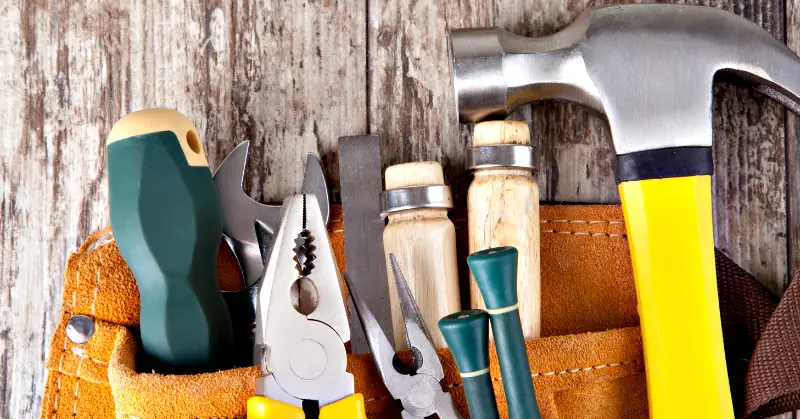
- Cordless drill + batteries
- Standard saw (circular or hand)
- Screwdriver & wrench sets
- Tape measure, level, stud finder
- Safety gear (gloves, goggles)
- Adjustable wrench + pliers
- Ladder
- Hammer
Growing tool list should include: impact driver, reciprocating saw, ladder, painting tools, etc.
Vehicle Setup
- Pickup truck or van
- Organized tool storage
- Branding decals (optional but professional)
If you are considering financing tools, vehicles, or workspace upgrades for your handyman business, a reliable loan calculator can help you plan wisely.
KodersHive’s Business & Property Loan Calculator lets you estimate monthly payments, interest, and total cost before committing, so you can choose the most affordable financing option. It’s a simple way to make smarter financial decisions as your business grows.
Step 9: Understanding the Cost to Start a Handyman Business
Wondering how much does it cost to start a handyman business? Find it here.
Startup costs can range depending on existing tools and whether you need a vehicle:
Typical U.S. Startup Costs
- Business registration: $50-$500+
- Liability insurance: $300-$1,000+ /year
- Tools & equipment: $500-$5,000+
- Marketing (website, business cards): $200-$2,000
- Vehicle (if needed): $0-$30,000+
Most new handyman businesses start between $2,000-$10,000. Want to start with no money? Begin offering services to neighbors/friends, use basic tools you already have, and reinvest early profits.
Step 10: Pricing Your Services the Right Way
Pricing right is one of the most important parts of a successful handyman business. This is where many beginners struggle.
How to Price Confidently?
- Research local rates
- Factor in time, materials, travel, and overhead
- Don’t underprice out of fear
Underpricing attracts difficult clients and burnout. Professional pricing builds trust.
Hourly Rates
Concerned about how much should you charge? Typical range in the U.S.:
- $50-$80/hr for general handyman services
- $75-$150/hr for specialized tasks (e.g., TV mounting, smart tech installs)
So is $50 an hour good for a handyman?
- Yes for beginners in many markets
- Experienced handymen often charge $70+ per hour once they build trust
Other Pricing Models
- Minimum service fee: Often 1-2 hour minimum so very small jobs stay profitable.
- Flat rate by job: Customers like predictability, and it can reward efficient workers.
Material Markups
Charge a 20%-50% markup on materials for sourcing and risk.
Example
Job labor: 2 hrs @ $70 = $140
Materials: $50 + 30% markup = $65
Final: $205
Step 11: Branding Your Handyman Business
Your brand is how people perceive you.
Key Branding Elements
- Professional business name
- Simple logo
- Clean uniforms or branded shirts
- Consistent messaging
Trust matters: Customers invite you into their homes. Professional appearance often matters as much as skill.
Step 12: Marketing & Getting Your First Clients
You can’t make your handyman business successful without effective marketing strategies. Marketing can be of two types: online and offline. Let’s explore both one by one.
Online Marketing
- Google Business Profile (essential)
- Simple website with services and contact info
- Local SEO (service + city keywords)
- Customer reviews
Offline Marketing
- Yard signs
- Business cards
- Local flyers
- Networking with realtors and landlords
Personal Experience Tip: Many handymen say their first 10 clients came from Google reviews and word-of-mouth — not paid ads.
Getting clients is often the biggest hurdle for new handymen. Let’s look at some potential ways of grabbing new clients.
Proven Ways to Get Clients
- Word of mouth & referrals — Excellent early strategy.
- Google Business Profile
- Nextdoor & local Facebook groups
- Website + online reviews
- Flyers & local bulletin boards
- Lead platforms (Thumbtack/TaskRabbit but pay for leads)
Tip: Ask every happy customer for a review — word of mouth and reviews are #1 growth drivers.
Step 13: Managing Clients and Daily Operations
Good systems save you time and money.
Scheduling
- Use a calendar or job management app
- Avoid overbooking
Payments
- Accept cards, bank transfers, and cash
- Send professional invoices
- Set clear payment terms
Customer Communication
- Confirm appointments
- Provide clear estimates
- Follow up after job completion
Step 14: Hiring Help and Scaling Your Business
When demand grows, you may need help.
Common First Hires
- Helper or apprentice
- Part-time admin or dispatcher
Scaling Ideas
- Offer maintenance contracts
- Expand into commercial work
- Add specialized services
Step 15: Financial Management and Taxes
- Separate business and personal finances
- Track expenses and income
- Save for taxes
- Use basic accounting software
Tip: Many handymen lose money simply because they don’t track expenses properly.
Also read: How to Start a Shapewear Business?
Common Challenges
Being a handyman is rewarding — but has challenges:
- Irregular income early on
- Busy schedules with little downtime
- Weather/seasonal demand changes
- Managing customer expectations
- Tool wear & maintenance
- Some jobs pay low vs time invested
The table below presents some other challenges and tips to overcome them.
| Challenge | Solution |
| Slow Seasons | Offer winter services |
| Difficult Clients | Set boundaries and contracts |
| Cash Flow Issues | Use deposits for large jobs |
| Burnout | Raise prices instead of working for more hours |
This is real work — but with the right price, systems, and reputation building, it can absolutely be a stable, profitable business.
Tips for Long-Term Success
You will always want to establish a successful handyman business that generates revenue in the long run. Right? Follow the tips below to achieve long-term success.
- Be punctual and professional
- Do quality work — every time
- Ask for reviews and referrals
- Keep learning new skills
- Protect your reputation
If you plan to grow your handyman business long term or eventually sell it, using a reliable business valuation calculator can help you understand what your business is really worth.
The Business Valuation Calculator by Kodershive makes it easy to estimate your handyman business value based on revenue, profits, and key financial factors, giving you clarity for pricing, expansion, or exit planning. It is a practical tool for tracking your business growth as you scale.
Bonus: State & International Notes
- How to start a handyman business in CA / Colorado / FL / Georgia / NC / Massachusetts / other states of the US? All require business registration; specific licensing is local. Check city/county rules for contractor requirements.
- Australia & UK: Similar rules apply — register your business, get insurance, and follow local trade licensing for specialized work.
Final Words
Starting a handyman business isn’t just about being handy — it is about planning, pricing, legal setup, and delivering quality service. With the right foundation, you can build a profitable, flexible, and lasting business even with no experience or limited funds.
The key is to start smart, stay professional, and build trust — one job at a time. Ready to take the first step? Start with your business plan and pricing strategy, then build your tools and client base one job at a time.
FAQs
How to start a handyman business with no experience?
You can start a handyman business with no experience by focusing on basic, low-risk services like furniture assembly, minor repairs, painting, caulking, and fixture replacements while you learn on the job. Begin by learning through free online tutorials, practicing on your own home or for friends, and taking small paid jobs to build confidence.
How to start a handyman business with no money?
You can start a handyman business with no money by offering services that require minimal tools, such as basic repairs, furniture assembly, cleaning up small fix-it jobs, or helping homeowners with simple maintenance tasks. Use tools you already own, promote your services for free through word-of-mouth, local Facebook groups, and a Google Business Profile, and reinvest your first earnings into better tools and insurance.
How to start a handyman business successfully?
To start a successful handyman business, combine strong skills with professionalism: offer reliable services, price fairly, build trust with clients, maintain proper licensing and insurance, and market yourself effectively online and locally. Consistently delivering quality work and gathering referrals will help your business grow and thrive.
Can a handyman make $100k a year?
Yes — many independent handymen that charge well, build repeat business, and control costs routinely earn $100,000+ per year — especially in high-demand areas and with specialization.
How to start a handyman side business?
You can offer small, flexible jobs during evenings or weekends, such as minor repairs, installations, or maintenance tasks. Use your existing tools, set clear availability, and promote your services through word-of-mouth, local online groups, and a free Google Business Profile.
How to start a small handyman business?
To start a small handyman business, focus on a limited range of services you can confidently perform, use your existing tools, and promote locally through word-of-mouth, flyers, and online listings. Register your business, get basic insurance, set fair pricing, and gradually expand as you gain experience and clients.
How to start a home based handyman business?
If you want to start a home-based handyman business, offer small repair and maintenance services that don’t require a commercial workshop, use tools you already have, and operate from your home. Promote your services locally and online, get any required licenses and insurance, and manage bookings and payments professionally from home.


