
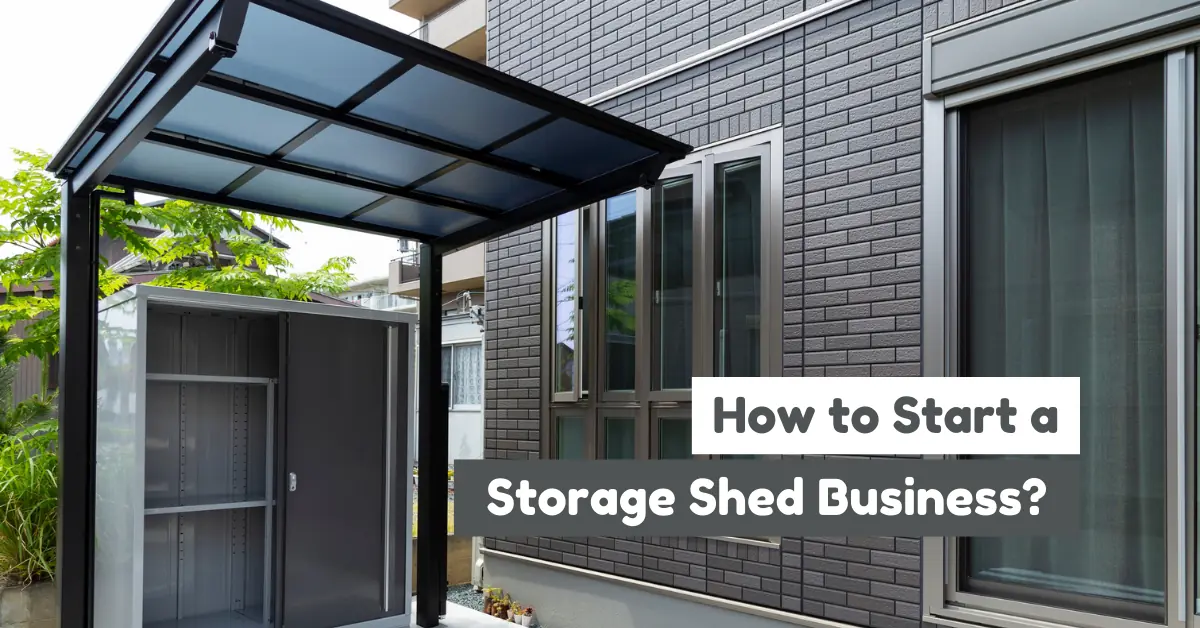
Starting a storage shed business can be a highly profitable and scalable venture if done the right way. With rising housing costs, shrinking backyard spaces, and increasing demand from homeowners, farmers, and small businesses, storage sheds have become an essential solution rather than a luxury.
However, many aspiring entrepreneurs struggle with high startup costs, regulatory confusion, finding customers, and competing with established brands. This detailed guide breaks everything down clearly and practically, based on real-world industry practices and business fundamentals.
Whether you want to build custom sheds, sell prefab units, or invest in storage facilities, this article will show you exactly how to start a storage shed business from scratch — even with limited capital.
What Is a Storage Shed Business?
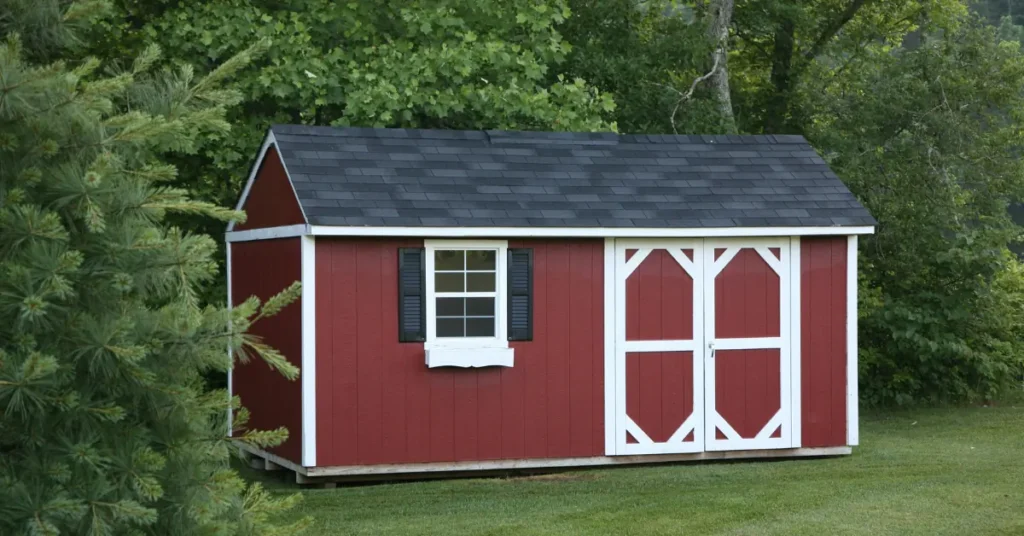
A storage shed business involves designing, building, selling, renting, or installing storage sheds for residential, agricultural, or commercial use. These sheds are commonly used for various purposes, such as:
- Backyard storage
- Gardening and lawn equipment
- Farm and livestock storage
- Tools and machinery
- Small workshops or offices
You can operate this business in multiple models:
- Custom-built sheds
- Prefab shed sales
- On-site installation
- Rental storage units
- Dealer or reseller partnerships
Each model has different startup costs, risk levels, and profit margins, which we will cover in detail.
Read more: Why Yelp Business Is Not Working?
Is a Storage Shed Business a Good Investment?
Yes, a storage shed business can be a very good investment when appropriately planned.
Why This Business Works?
Below is a list of some reasons why this business model gives you a good return.
- Growing demand for storage space
- Low employee requirements
- Strong profit margins (30% to 60%)
- Repeat and referral customers
- Long-term asset value (for rental sheds)
Example
One small shed builder in California started by building only two sheds per month from a rented workshop. Within 18 months, referrals and Facebook Marketplace listings helped them grow to $18,000/month in revenue, without paid ads.
Also read: Profitable Kidswear Business Ideas to Make Decent Profits
A Step-By-Step Guide to Starting a Storage Shed Business
Below are the steps you should follow to start a profitable storage shed business.
Step 1: Choose the Right Storage Shed Business Model
Before spending any money, decide how you want to operate. Common business models are given below with their unique aspects.
1. Custom Shed Builder
- Build sheds based on customer requirements
- Higher margins
- Requires carpentry skills or hired labor
2. Prefabricated Shed Seller
- Buy sheds wholesale and resell
- Lower skill requirement
- Lower margins but faster sales
3. Shed Rental Business
- Monthly recurring income
- Higher upfront cost
- Strong long-term value
4. Mobile Shed Installer
- Install sheds made by manufacturers
- Low startup cost
- Service-based income
Best model for beginners: Custom or prefab shed sales with local delivery
Step 2: How Much Does It Cost to Start a Storage Shed Business?
Startup costs vary widely depending on scale and location. The estimated startup costs breakdown are given in the table below.
| Expense | Estimated Cost |
| Business registration & licenses | $300 – $1,000 |
| Tools & equipment | $2,000 – $8,000 |
| Initial materials | $5,000 – $15,000 |
| Workspace or yard rental | $500 – $2,000/month |
| Marketing & website | $500 – $3,000 |
| Insurance | $600 – $2,000/year |
Total Estimated Cost:
- Small-scale startup: $10,000 – $25,000
- Mid-scale operation: $30,000 – $75,000
- Self-storage facility: $250,000+
How Much Does It Cost to Set Up a Self Storage Business?
A full self-storage facility (multiple units on owned land) costs significantly more:
- Land purchase: $100,000+
- Construction: $25–$70 per sq ft
- Security & access systems: $15,000+
- Permits & zoning fees: $5,000+
Total cost: $250,000 to $1M+
Step 3: Legal Requirements, Zoning & Permits (Crucial Step)
This is where many beginners make costly mistakes. Make sure you stay away from them.
Common Legal Requirements
- Business license
- Sales tax registration
- Employer Identification Number (EIN)
- General liability insurance
Zoning & Building Codes
You must check:
- Land zoning restrictions
- Shed size limitations
- Setback requirements
- HOA rules (for residential areas)
Pro Tip: Visit your local zoning office before buying land or materials. Many shed businesses fail due to non-compliant locations.
Step 4: How to Buy a Storage Facility With No Money?
It is possible, but not easy.
Realistic Options
Example: A Michigan investor acquired a small storage facility by offering 60% down payment via seller financing, using customer deposits as operating cash.
Step 5: Tools, Materials & Equipment Needed
Let’s explore essential tools and common materials for storage sheds.
Essential Tools
- Circular saw
- Nail gun & compressor
- Power drill
- Measuring tools
- Trailer or delivery truck
Common Shed Materials
- Pressure-treated lumber
- Metal or shingle roofing
- Plywood or LP SmartSide
- Doors, locks, vents
Step 6: Pricing Strategy & Profit Margins
Let’s explore both one by one.
Average Shed Pricing
- Small shed (8×10): $2,000 to $3,500
- Medium shed (10×12): $3,500 to $6,000
- Large/custom shed: $7,000+
Profit Margins
- Materials: 40% to 50%
- Labor: 20% to 30%
- Net profit: 30% to 60%
Step 7: How to Find Customers for Your Storage Shed Business?
This is one of the biggest pain points — and also the biggest opportunity.
Proven Marketing Channels
They include local SEO, online, and offline platforms, as given below.
Local SEO
- Google Business Profile
- Local citations
- Customer reviews
Online Platforms
- Facebook Marketplace
- Craigslist
- Local Facebook groups
Offline Marketing
- Yard signs
- Farm supply stores
- Home improvement expos
Personal Experience Insight
Many shed builders report that 70% of their sales come from referrals after the first 6 months if customer service is excellent.
Step 8: Competing With Big-Box Retailers
You cannot win on price alone, so don’t try.
How Small Businesses Win?
- Custom designs
- Faster delivery
- Local trust
- Better materials
- On-site installation
Customers often prefer custom, durable sheds over cheap prefab units.
Step 9: Customer Retention & Upselling Strategies
- Offer warranties
- Maintenance packages
- Shed upgrades (windows, insulation)
- Seasonal discounts
You may also want to read: How to Start a Dog Boarding Business?
What Are the Risks of Investing in Self Storage?
Below is a list of potential risks and ways to reduce them effectively.
Common Risks
- High upfront capital
- Zoning delays
- Market saturation
- Poor location choice
How to Reduce Risk?
- Always start small
- Validate demand locally
- Lease before buying land
- Focus on niche customers
Also read: Potential Risks Associated With a Cotton Candy Business
What Is the Break-Even Point for Self Storage?
The break-even point for a self-storage business is the stage at which the facility’s monthly rental income fully covers all operating and financing costs. At this point, the business is no longer losing money, but it is not yet generating profit either. Everything earned beyond this level becomes net profit.
In practical terms, the break-even point is measured by occupancy rate, rental pricing, and expenses. Most self-storage businesses reach break-even when 55% to 65% of their total units are occupied, though this can vary by location and cost structure.
Several factors influence how quickly a self-storage business reaches break-even. The initial investment and financing method play a major role. Facilities purchased with high-interest loans or heavy debt loads take longer to break even than those with seller financing or larger cash down payments. Likewise, newly built facilities usually take longer to stabilize than existing ones with tenants in place.
Occupancy rate is the most critical factor. For example, if a facility has 100 units and the average rent is $150 per unit, the monthly revenue at full occupancy would be $15,000. If monthly operating expenses total $9,000, the business breaks even at 60 occupied units, or 60% occupancy.
Operating expenses also affect the break-even timeline. These include mortgage or lease payments, property taxes, insurance, utilities, maintenance, security systems, and management software. One advantage of self storage is relatively low labor costs, which helps speed up break-even compared to other real estate businesses.
On average, small self-storage facilities break even within 12 to 24 months, while mid-sized and large facilities typically take 18 to 36 months. A well-chosen location, competitive pricing, and consistent local marketing can significantly shorten this timeline and push the business into profitability sooner.
What Are the 4 D’s of Self-Storage?
The 4 D’s that drive demand:
- Death: When a family member passes away, surviving relatives often need temporary storage while managing estates, downsizing homes, or distributing belongings. Self-storage units provide a practical solution during emotionally difficult transitions, especially when properties must be cleared quickly for sale or rental.
- Divorce: Divorce frequently results in households splitting into two smaller living spaces. One or both parties may need storage for furniture, personal items, or shared assets until long-term living arrangements are finalized. This creates both short-term and extended storage demand.
- Dislocation: Dislocation includes job relocations, military transfers, immigration, or temporary moves. People who relocate quickly often need secure storage for their belongings while they settle into a new city, wait for permanent housing, or manage overseas assignments.
- Downsizing: Downsizing occurs when individuals or families move into smaller homes, apartments, or retirement communities. While they may not want to part with their possessions, limited space forces them to seek off-site storage. This is one of the strongest drivers of long-term storage rentals.
These life events consistently create storage needs.
How Much Is a Self Storage Business Worth?
The value of a self-storage business depends on its income, occupancy rate, location, and growth potential, rather than just the physical property itself. Unlike residential real estate, self-storage facilities are typically valued based on how much profit they generate.
Most self-storage businesses are valued using a multiple of annual Net Operating Income (NOI). On average, a well-performing self-storage facility is worth 5 to 8 times its annual net income. Facilities in high-demand locations with strong occupancy, modern security systems, and stable cash flow often sell at the higher end of this range, or even above it.
Key Factors That Affect Valuation
- Net Operating Income (NOI): This is the most important factor. Higher NOI directly increases the business’s valuation.
- Occupancy Rate: Facilities with consistent occupancy above 70% to 85% are more attractive to buyers and investors.
- Location: Urban or fast-growing suburban areas typically command higher valuations due to sustained demand and limited competition.
- Facility Type & Quality: Climate-controlled units, automated access systems, and modern construction increase value.
- Growth Potential: Facilities with room for expansion or rental price increases are valued higher.
Simple Valuation Example
If a self-storage business generates $120,000 in annual net income, its estimated value would range between:
- $600,000 (5× NOI)
- $960,000 (8× NOI)
Facilities with strong branding, efficient operations, and low management costs tend to attract premium buyers.
Overall, a self-storage business with stable income, strong demand, and efficient operations is considered a high-value, low-risk investment, which is why many investors actively seek opportunities in this sector.
Is Owning a Storage Unit Business Profitable?
Yes, owning a storage unit business can be highly profitable, especially when the facility is located in a strong market and managed efficiently. Self-storage is known for its recurring monthly income, relatively low operating costs, and steady demand driven by life events such as moving, downsizing, divorce, and job relocation.
One of the biggest reasons storage unit businesses are profitable is their high occupancy stability. Well-managed facilities commonly maintain 65% to 85% occupancy, even during economic slowdowns. Unlike residential rentals, storage tenants are less sensitive to small price increases and are more likely to stay long term once they move their belongings in.
Another significant advantage is low overhead. Self-storage facilities require minimal staffing, especially with modern automation such as gated access, security cameras, and online payment systems. Maintenance costs are also lower compared to apartments or commercial properties because there are no interior living spaces to repair.
In terms of margins, many self-storage businesses achieve net profit margins of 30% to 50% after reaching stabilization. Additionally, profitability grows over time through gradual rent increases, improved occupancy, and operational efficiencies.
Beyond monthly cash flow, storage unit businesses also benefit from long-term appreciation. As net operating income increases, the overall value of the business rises, making self storage a strong long-term investment with both income and asset growth potential.
Read more: Lavender Farming Profits: Key Insights You’re Looking For
What Is the Easiest Business to Start With No Money?
While no business is truly “free,” service-based models like:
- shed installation
- shed repair
- reselling on commission
have the lowest barrier to entry.
Also read: How to Buy a Business With No Money?
Final Thoughts: Is Starting a Storage Shed Business Worth It?
If you want a business with real assets, strong demand, and long-term profitability, starting a storage shed business is absolutely worth considering. The key is to:
- Start small
- Understand local regulations
- Focus on customer experience
- Market consistently
- Scale gradually
When done right, a storage shed business can grow from a side hustle into a six-figure operation — a dream of thousands of business owners.
FAQs
Q: What is the difference between a storage shed business and a self-storage business?
A: A storage shed business focuses on building or selling sheds, while a self-storage business rents storage units on owned or leased property. Shed businesses usually require lower startup costs, while self-storage offers recurring monthly income.
Q: How do I find customers for my storage shed business?
A: The most effective channels include local SEO, Google Business Profile optimization, Facebook Marketplace, referrals, partnerships with landscapers or farmers, and local advertising such as yard signs and expos.
Q: Can I start a storage shed business with no money?
A: Starting with no money is challenging, but you can reduce upfront costs by offering shed installation services, using customer deposits, partnering with manufacturers, or starting as a reseller before building your own sheds.
Q: Is a storage shed business better than other small businesses?
A: For many entrepreneurs, yes. A storage shed business offers tangible assets, strong demand, flexible scaling, and lower employee requirements compared to many service or retail businesses.
Q: What skills do I need to start a storage shed business?
A: Basic carpentry skills are helpful, but not mandatory. More important skills include pricing, customer service, local marketing, project management, and understanding zoning regulations.


