
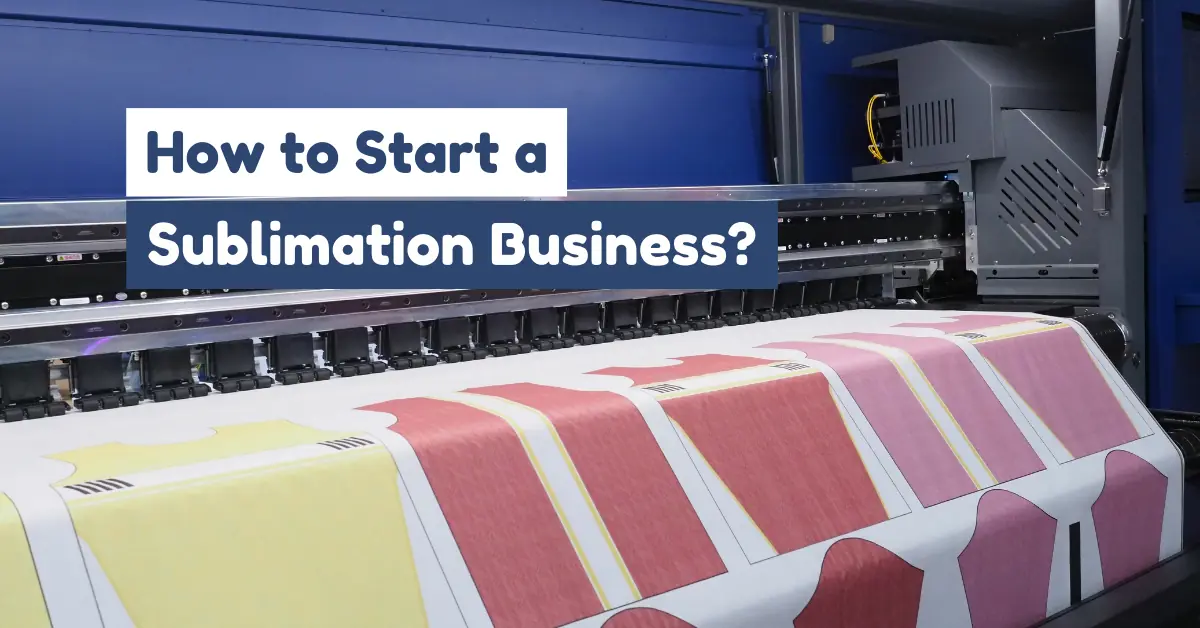
Starting a sublimation business is one of the most exciting creative ventures you can launch today. With the right guidance, tools, strategy, and mindset, you can build a profitable enterprise — whether you want a home-based sublimation print business, a sublimation shirt business, or a niche like tumblers, mugs, or custom gifts.
This guide walks you through exactly what you need to do, what mistakes to avoid, how much it costs, where to find customers, and how to start earning money quickly and confidently.
Is Starting a Sublimation Business Profitable?
Yes, but like any business, profit comes from solid planning, product selection, pricing strategy, and getting sales systems right.
Sublimation lets you produce vibrant, permanent prints on products like shirts, tumblers, mugs, phone cases, and more — often with high perceived value. For example, custom tumblers often sell for $25 to $40+ retail while materials might cost $3 to $6 each.
Profitability depends on various factors, such as:
- What products you choose? (some niches have better margins)
- How well you price? (not too low, not too high)
- How effectively you market your business?
Example: A seller reported buying blanks for around $2.50 each and selling finished sublimation mugs for around $15 with good margins.
Key takeaway: Starting a sublimation business can be profitable if you build pricing into your model and don’t underprice to compete. Keep quality high, and customers will pay for it.
Read more: 5 Most Profitable Bloxburg Business Ideas
Do I Need a Business License to Start a Sublimation Business?
Yes, in most cases, you do need a business license to start a sublimation business — even if you are operating from home or treating it as a side hustle. Selling custom sublimation products for profit usually requires at least a basic business registration or local business license, depending on your city, state, or country. Online selling through platforms like Etsy or Shopify does not remove this requirement.
What Type of License or Permit Is Usually Required?
Most sublimation businesses need a general business license from their local city or county. If you are working from home, you may also need a home occupation permit to comply with zoning rules. In addition, many regions require a sales tax permit if you sell physical products, allowing you to collect and remit sales tax legally.
Why Getting Licensed Is Important?
Having the proper license helps you operate legally, avoid fines, and build trust with customers and marketplaces. It also makes it easier to open a business bank account, sell at craft fairs, and scale your sublimation business in the future. When in doubt, checking local regulations early can save time and stress later.
Also read: What Licenses Are Needed to Start a Cleaning Business?
What You Need to Start a Sublimation Business from Home?
One of the biggest beginner fears is buying the wrong equipment. Let’s break things down simply and realistically.
Essential Equipment
A list of equipment you need is as follows.
- Sublimation Printer
- Purpose: Prints your designs with sublimation ink on special transfer paper.
- Options range from entry-level to professional, but you don’t need the most expensive to start.
- Entry setups can cost around $450 to $1,200.
- Heat Press Machine
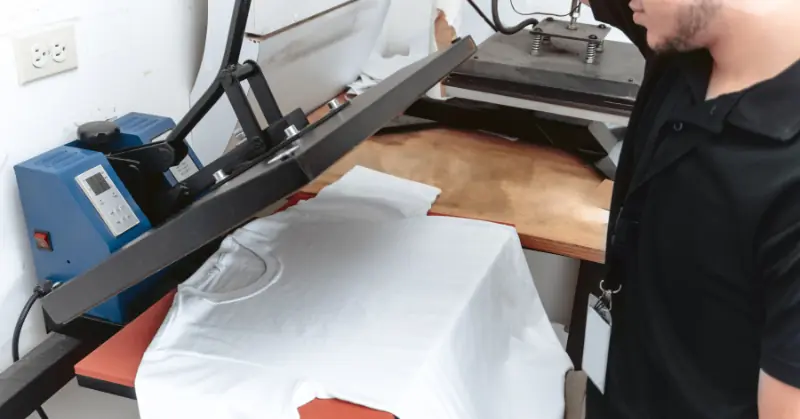
- This transfers designs from paper onto your products.
- A reliable press is critical — poor heat/pressure means bad prints.
- Sublimation Ink + Paper
- Special ink and paper specific to sublimation are required.
- Costs vary, but they are ongoing expenses.
- Blanks (Products to Print On)
- Design Tools
- A laptop or desktop plus design software (Canva, Kittl, or Adobe). Many beginners start with free tools.
- Workspace & Safety Equipment
- A dedicated workspace (even a corner of a desk). Heat-resistant gloves and ventilation are essential.
Estimated Startup Cost
Budgeting realistic expectations is critical. A typical range is given in the table below.
| Expense | Estimated Cost |
| Sublimation Printer | $450 to $1,200+ |
| Heat Press | $200 to $1,000+ |
| Ink & Paper | $50 to $300 |
| Blanks | $100 to $500+ |
| Design Tools | $0 to $50/mo |
| Packaging & Marketing | $100 to $300 |
| Total Startup Range | $1,500 to $5,000+ |
Starting simply at home without rent keeps costs lower. You can scale as you start selling.
You may also want to read: How to Start a Cheesecake Business from Home?
Choosing the Right Products That Sell
One of the biggest beginner struggles is not knowing what products sell well. Here is how you can decide.
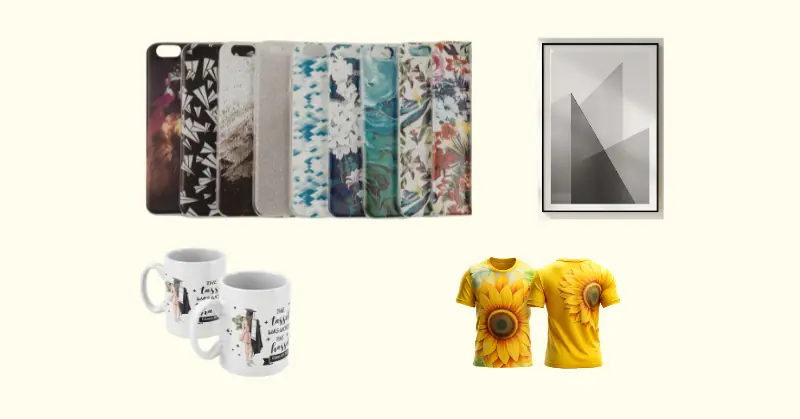
Top Selling Sublimation Products
- Sublimation tumblers: very popular, strong margins
- Custom t-shirts: evergreen demand
- Mugs and drinkware: easy, profitable gifts
- Phone cases & accessories: trendy
- Home decor (coasters, signs): great for upsells
Real-world insight: Most sellers start with 3 to 5 products, master them, and then expand. This helps avoid overwhelm and inventory waste.
How Much Does It Cost to Start a Sublimation Business?
We briefly touched on costs above. Let’s unpack the startup cost question more deeply since it is a top search query.
Cost Breakdown
- Printer: $500 to $1,200+
- Heat Press: $200 to $1,000+
- Ink & Paper: $100 to $300
- Blanks: $100 to $500
- Design Software: $0 to $20/month
- Packaging & Marketing: Depends on platform
Expect to spend at least $1,500 to $3,000 to get going with reliable quality and inventory.
Finding Trustworthy Suppliers
Beginners often struggle with suppliers for blanks, ink, paper, and packaging.
Where to Find Good Suppliers?
- Wholesale marketplaces like Alibaba or local suppliers
- Specialty sublimation suppliers with no minimum order quantities
- Local craft distributors for samples before buying bulk
- Sublimation groups & communities (people share trusted names)
Pro tip: Order small sample packs so you can test quality before making big investments.
Setting Your Prices
Pricing is one of the biggest pain points for new sellers. Too low and you lose profit. Too high and you scare off buyers.
How to Set Profitable Prices?
- Calculate your total cost per item
- Materials + labor + equipment amortization + packaging
- Add a markup
- Typical retail markup: 50-100%
- Wholesale bulk orders: 30-50%
- Factor in your time
- Your design and finishing time is part of your cost
Example: If a mug costs $3 total and takes 20 minutes to make, you might price it at $15+ to allow a healthy margin.
Avoid the Common Mistake
Don’t try to undercut others, especially on price alone. Compete on design quality, branding, and customer service.
Marketing and Getting Your First Customers
You can produce amazing sublimation products, but none of that matters without customers.
1: Best Ways to Get Sales Fast
- Etsy — huge marketplace for custom products
- Instagram & TikTok — show your process with videos
- Facebook Groups — sell locally or niche communities
- Local fairs & craft markets — great for brand awareness
2: Smart Marketing Tips
- Post “Behind the Scenes” videos — people love the creative process
- Bundle products (gift sets) to increase average purchase value
- Customer reviews + testimonials — social proof builds trust
- Email lists — stay in front of your audience
Mistakes to Avoid When Starting Your Sublimation Business
Here are the most common errors new sellers make and how to avoid them.
- Buying ultra-cheap equipment → It costs more in wasted prints and frustration.
- Offering too many products too soon → Start with what sells and perfect it.
- Underpricing to compete → Know your worth and cost structure.
- Skipping marketing or branding → Sales don’t happen by accident.
- Not doing test prints → Always pre-test — inconsistent heat leads to bad products.
Read more: How to Start a Photography Business With No Experience?
Scaling Your Business
Once you get traction:
- Expand product lines (e.g., tumblers → leggings → signs)
- Build your own website
- Move into print on demand (no inventory risk)
- Offer custom corporate orders
Growth comes from mastering a few products really well before expanding.
Final Words
Starting a sublimation business can be an accessible, creative, and profitable way to earn money from home or as a full-time enterprise. While there is competition, smart product selection, correct pricing, real marketing, and great branding make all the difference.
You now have:
- Real startup cost breakdown
- Product selection insight
- Supplier and pricing confidence
- Marketing strategies
- Answers to critical PAAs
Now it is time to take action. Plan your niche, set up your workspace, choose your products, and launch your first listings confidently!
FAQs
Q: Is the sublimation market oversaturated?
A: While the sublimation market is competitive, it is not oversaturated for sellers who offer unique designs, strong branding, and excellent customer service. Niche targeting, personalization, and quality craftsmanship help new businesses stand out even in crowded marketplaces.
Q: What sublimation sells the most?
A: Tumblers, shirts, mugs, and personalized gifts typically sell best, but it varies by audience.
Q: What are common sublimation mistakes?
- Poor temperature/pressure control
- Wrong blanks
- Underpricing
- Not testing prints
Q: What are the downsides of a sublimation business?
A: Some downsides of sublimation include high upfront equipment costs, a learning curve for heat and pressure settings, limited fabric compatibility, and competition in popular niches. However, most of these challenges can be managed with proper planning and practice.
Q: What type of printing is most profitable?
A: Sublimation printing is one of the most profitable printing methods for customized products because it produces permanent, high-quality results with low material costs. Profitability depends on product choice, pricing, and sales volume.
Q: How long does it take to make money with a sublimation business?
A: Many beginners start making sales within the first 30 to 60 days, especially if they sell on platforms like Etsy or promote locally. Consistent marketing and product quality play a major role in how quickly profits grow.
Q: How do I price sublimation products correctly?
A: To price sublimation products, calculate your total cost (materials, labor, overhead), then add a profit margin. Many sublimation businesses use a 50% to 100% markup for retail products to ensure profitability without underpricing.
Q: Can I start a sublimation business as a side hustle?
A: Yes, a sublimation business is ideal as a side hustle. Many sellers start part-time, working evenings or weekends, and scale to full-time once they build consistent sales and repeat customers.
Q: Is sublimation better than screen printing for beginners?
A: Sublimation is often better for beginners because it requires less setup, no messy inks, and works well for small orders and custom designs. Screen printing can be more profitable for large bulk orders, but it has a higher learning curve.